The role of Aluminum Foundry technology in industrial production
The Lots Of Uses Aluminum Castings: A Comprehensive Overview for Industry Professionals
Aluminum spreadings play a necessary role across various markets, many thanks to their unique homes. These durable and lightweight elements are vital in automotive and aerospace applications. Comprehending their benefits and the manufacturing processes entailed can significantly influence efficiency and performance. As modern technology breakthroughs, brand-new technologies remain to emerge. Sector experts must think about these factors to make enlightened options. The ramifications of these advancements deserve checking out better.
Benefits of Aluminum Castings in Numerous Industries
Aluminum castings use many advantages throughout various industries, making them a recommended option for several applications. Among the key advantages is their light-weight nature, which contributes to total power efficiency in transport and machinery. This reduced weight additionally improves simplicity of taking care of and setup, resulting in lower labor expenses.
Additionally, aluminum castings exhibit outstanding corrosion resistance, expanding the life-span of parts in rough environments. Their electrical and thermal conductivity permits effective heat dissipation and efficient electrical applications.
Additionally, light weight aluminum can be quickly alloyed and manipulated, making it possible for the development of complex forms and styles that fulfill particular design demands. This convenience sustains technology in industries such as automotive, aerospace, and consumer products.
The recyclability of light weight aluminum straightens with sustainable methods, making it an ecologically pleasant choice for modern production. On the whole, the benefits of light weight aluminum spreadings position them as important materials in various fields.
Key Manufacturing Processes for Aluminum Castings
A variety of making processes are utilized to create light weight aluminum castings, each tailored to satisfy specific application needs and manufacturing quantities. Amongst the most typical methods are sand spreading, die spreading, and investment spreading.
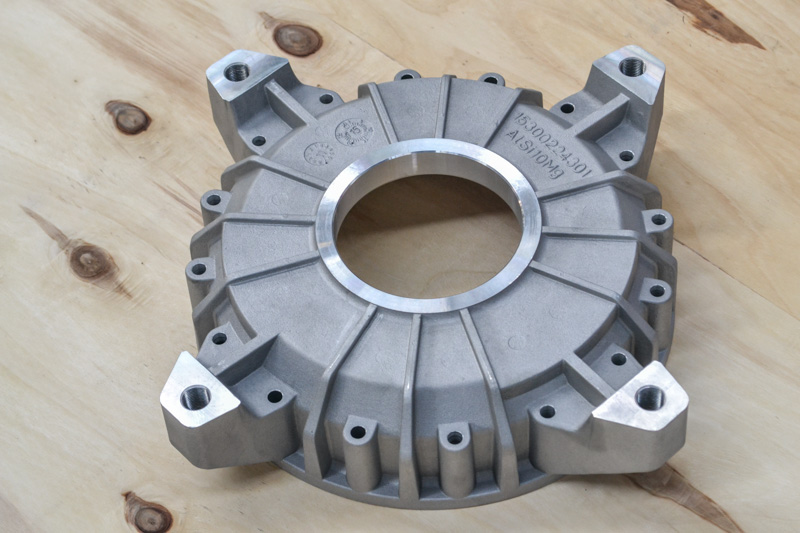
Financial investment spreading, also known as lost-wax spreading, gives exceptional surface area finishes and detailed information, commonly made use of for smaller, accuracy components. In addition, gravity casting makes use of the pressure of gravity to fill up mold and mildews, suitable for larger spreadings where precision is less important. Each process has its benefits, accommodating diverse commercial demands while taking full advantage of performance and quality in light weight aluminum spreading manufacturing.
Applications of Light Weight Aluminum Castings in Automotive and Aerospace
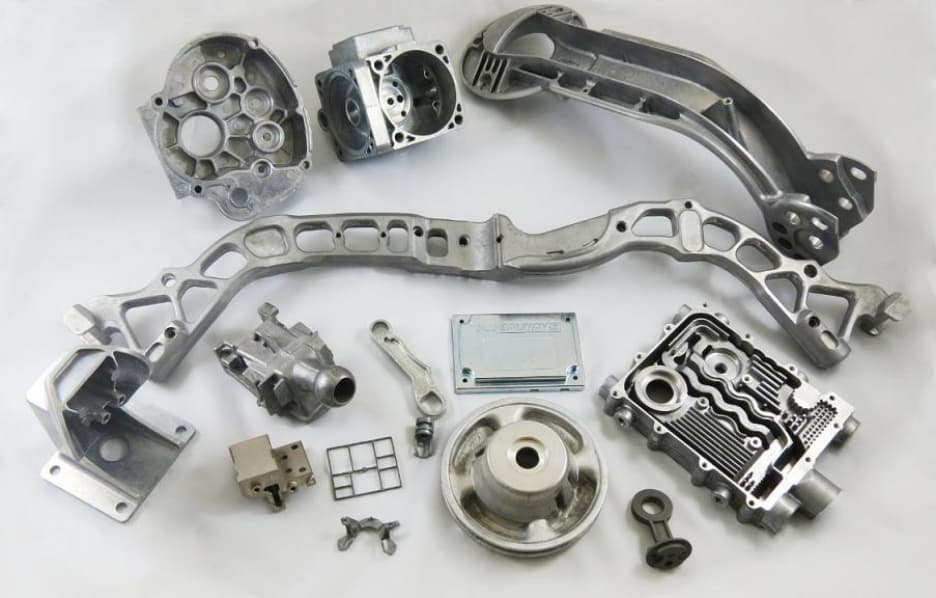
In numerous applications within the vehicle and aerospace sectors, light weight aluminum castings play a crucial duty because of their lightweight buildings and exceptional strength-to-weight proportion. In the automobile sector, elements such as engine blocks, transmission cases, and wheel rims are commonly generated using aluminum castings. These components gain from lowered weight, resulting in improved fuel efficiency and boosted efficiency.
In aerospace, light weight aluminum castings are crucial for structural parts, including airplane frames, touchdown equipment, and engine housings. this website The material's resistance to rust and capability to endure high temperature levels make it optimal for these requiring applications. Additionally, aluminum castings promote intricate geometries, making it possible for the design of detailed components that add to overall airplane performance.
Advancements and Advancements in Light Weight Aluminum Casting Innovation
As markets remain to advance, innovations in aluminum spreading innovation are driving considerable improvements in efficiency and efficiency. Advanced strategies such as 3D printing and casting simulation software program have changed conventional techniques, permitting a lot more exact styles and minimized waste. These modern technologies make it possible for manufacturers to create complicated geometries that were previously unattainable, enhancing the versatility of light weight aluminum castings.
Additionally, the growth of brand-new alloy make-ups and therapy techniques has actually boosted mechanical properties, making castings lighter yet more powerful. Automated procedures are likewise being incorporated, minimizing human error and raising production speed.
Finest Practices for Choosing and Using Aluminum Castings
When using and picking light weight aluminum castings, mindful consideration of specific standards can significantly influence the last item's performance and long life. Market professionals need to evaluate the details application needs, consisting of load-bearing capacities, rust resistance, and thermal conductivity. Choosing the appropriate alloy is essential, as various alloys offer varying staminas and characteristics.
Furthermore, understanding the casting procedure-- whether sand spreading, die spreading, or financial investment casting-- will affect the last product's quality and cost-effectiveness. Quality guarantee actions, such as non-destructive testing and dimensional examinations, are vital to assure that the spreadings fulfill market criteria.
Proper handling and storage of light weight aluminum spreadings can stop damage, guaranteeing peak efficiency. Teaming up with credible vendors who prioritize quality control can improve the reliability of the finished components. By adhering to these best practices, industry professionals can maximize the benefits of light weight aluminum castings in their applications.
Often Asked Inquiries
What Are the Environmental Effects of Light Weight Aluminum Spreading Manufacturing?
Light weight aluminum spreading production can result in substantial environmental influences, consisting of greenhouse gas exhausts, energy intake, and resource deficiency. Furthermore, incorrect waste management may lead to dirt and water contamination, impacting neighborhood ecosystems and communities.
Exactly How Do Aluminum Castings Contrast to Various Other Steel Castings?
Aluminum spreadings are lighter and corrosion-resistant compared to other steel castings like iron or steel. They supply premium thermal and electrical conductivity, making them excellent for applications where weight and durability are essential aspects.
What Is the Cost Distinction Between Aluminum and Other Products?
The expense this contact form of aluminum castings commonly ranges from moderate to high, often a lot more inexpensive than stainless-steel yet pricier than some plastic choices. Wisconsin Aluminum Foundry. Elements such as manufacturing product, quantity, and complexity requirements substantially affect total pricing
Can Light Weight Aluminum Castings Be Reused?
Aluminum castings can undoubtedly be reused. This procedure substantially lowers power intake and environmental influence compared to generating brand-new aluminum, making reusing an important practice in promoting sustainability and source conservation within various industries.
What Safety Procedures Should Be Taken Throughout Light Weight Aluminum Casting Processes?
During aluminum spreading processes, crucial precaution include wearing protective gear, making sure proper ventilation, making use of heat-resistant devices, preserving equipment, and adhering to safety and security methods to stop direct exposure to harmful materials and minimize the danger of accidents. (Aluminum Foundry)
Sand casting involves creating a mold link and mildew from sand, permitting for intricate shapes and big spreadings. Financial investment spreading, additionally understood as lost-wax casting, gives phenomenal surface area coatings and detailed information, commonly used for smaller sized, accuracy components. In addition, gravity spreading makes use of the force of gravity to load mold and mildews, suitable for bigger spreadings where precision is less important. In addition, recognizing the casting procedure-- whether sand casting, pass away casting, or financial investment casting-- will certainly influence the final product's high quality and cost-effectiveness. Aluminum spreadings are lighter and corrosion-resistant compared to various other steel castings like iron or steel.